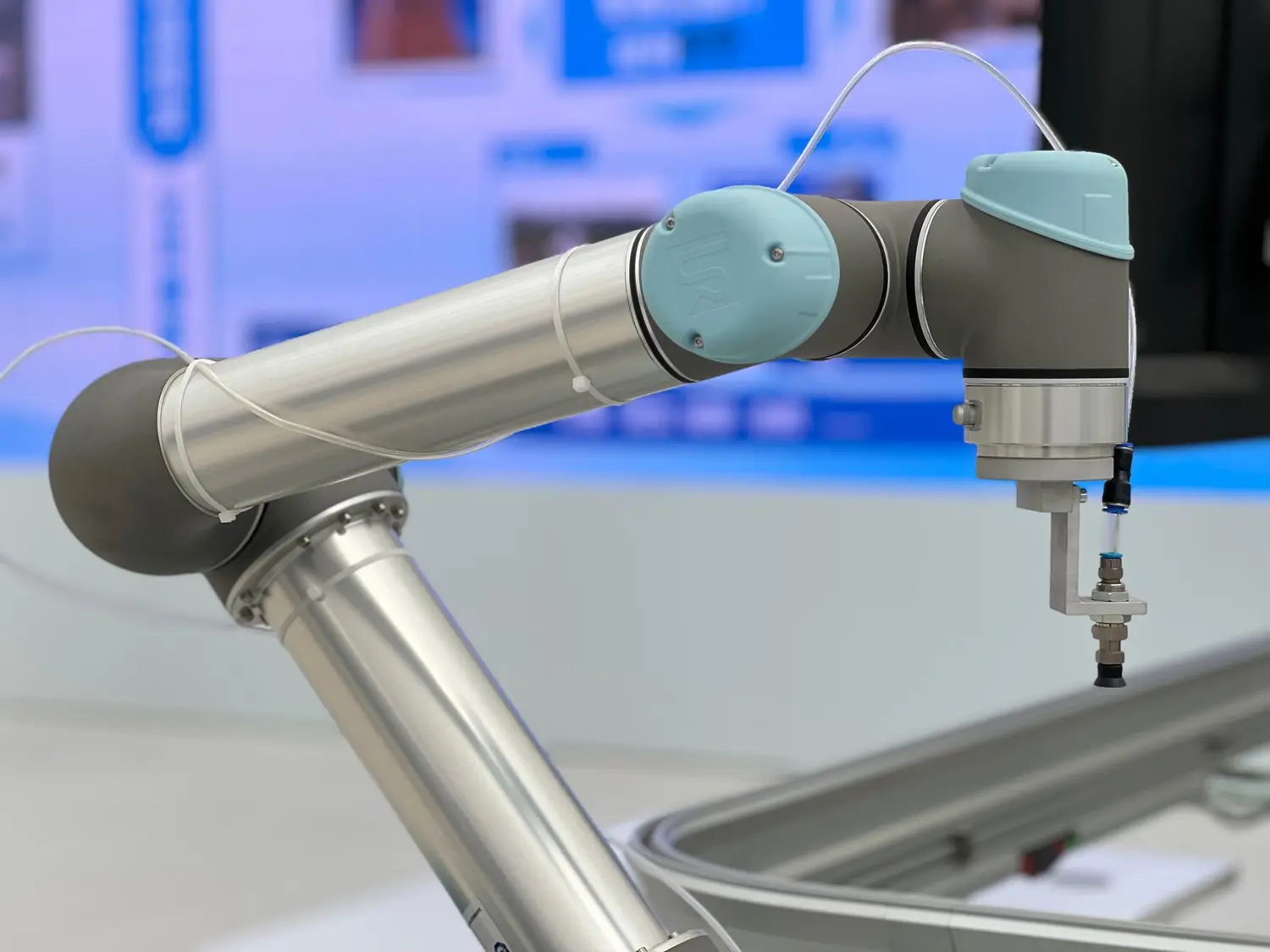
The Trust Score for robotics and physical AI
A single, comprehensible measure of how trustworthy and insurance-ready a robot is — built from the signals that matter to insurers, enterprise buyers, and leasing partners.
What the score measures
The AIHood™ Trust Score combines six weighted pillars into a 0–100 score, with clear tiers from High Risk to Excellent.
Why robotics trust matters
As robots move into shared, high-stakes environments, the parties responsible for them — insurers, buyers, and operators — need a common language for trust. The Trust Score is that language.
How scoring works
- 1
Each answer maps to a normalized pillar score.
- 2
Pillars are combined using fixed weights.
- 3
Critical gaps can cap the maximum score until resolved.
- 4
Recommendations show the fastest path to a higher score.
What the score measures
Cyber Resilience
Signed firmware, secure boot, encrypted communications, and proactive vulnerability testing.
Operational Safety
Emergency stops, fail-safes, unsafe-condition detection, and maintenance history.
Identity & Traceability
Verifiable device identity, credential lifecycle, and per-robot access control.
Fleet Visibility
Real-time tracking, centralized fleet dashboards, and remote quarantine.
Auditability & Logs
Comprehensive, retained, tamper-resistant logs and post-incident reconstruction.
Compliance & Governance
Security documentation, recognized standards, and tested incident response.
What improves your score
Verifiable identity, encrypted communications, tamper-resistant logs, fleet visibility, and tested safety mechanisms all raise your Trust Score — and your insurance readiness.